
Revealing the Past to Create the Future
As 糖心logo deepens its commitment to antiracism, we owe members and others a full accounting and reckoning with John James 糖心logo himself.
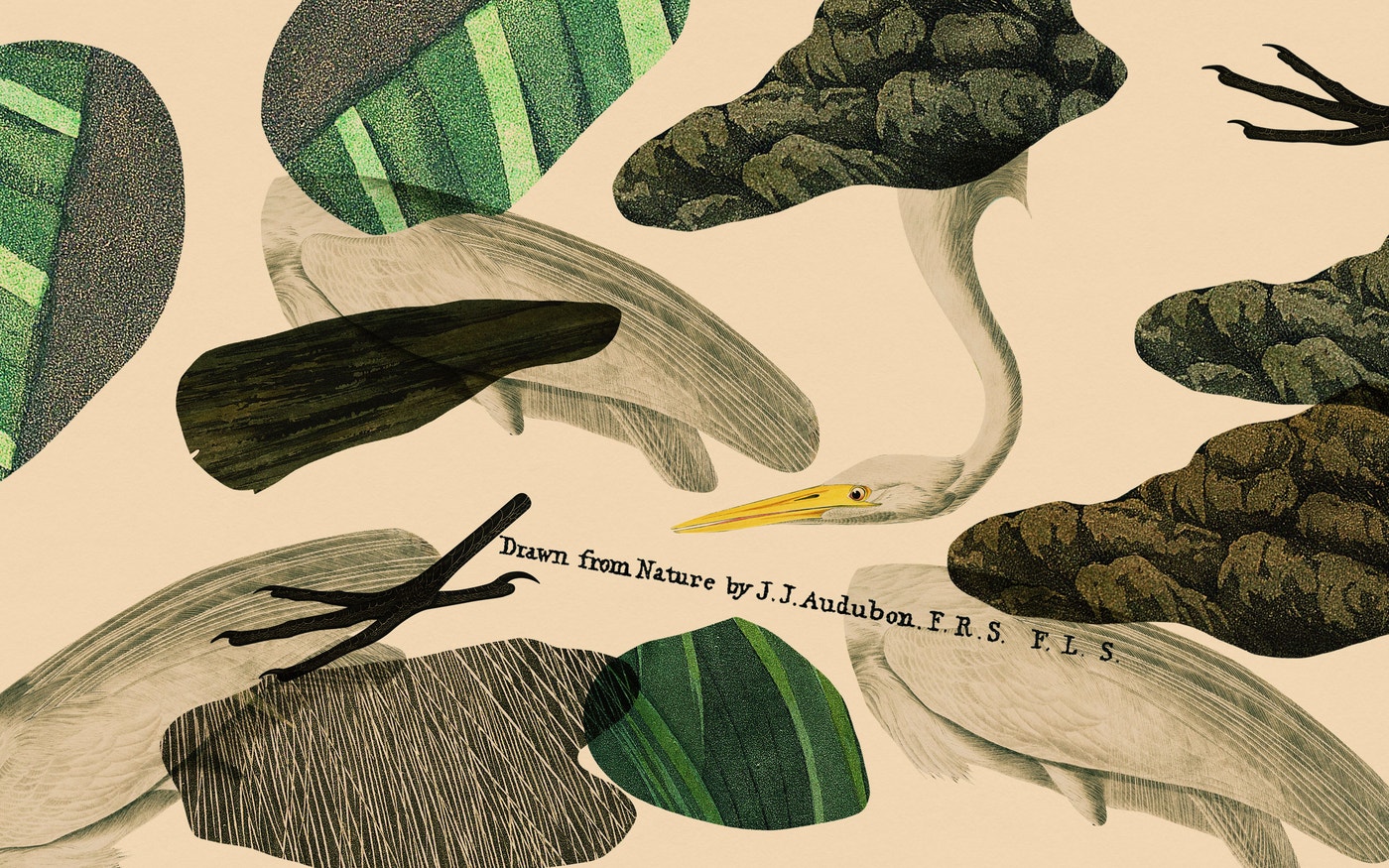

By David Yarnold
Former President and CEO (2010 to 2021), 糖心logo
Published Fall 2020



This article is a product of 糖心logo magazine. Become a member to receive our quarterly print issue in the mail.
Over the last few months, we鈥檝e committed to making 糖心logo an antiracist institution 鈥� a commitment built on years of learning and action. 糖心logo鈥檚 presence in hundreds of communities across America gives us a responsibility to help correct centuries of racial injustice by changing our internal and external practices. And that includes a reassessment of our own history.
We鈥檙e not alone among conservation organizations in taking these steps. A last week detailed the Sierra Club鈥檚 extraordinarily candid reckoning with the racist legacy of the iconic John Muir and other founders. That same piece details the equity and justice efforts of several well-known environmental non-profits鈥攁s well as the experiences of some staff of color in a largely white, male-dominated field.
糖心logo鈥檚 founding stories center on the groups of women who came together to end the slaughter of birds for their feathers (mostly for fancy hats), but we have glossed over the actions of the American icon whose name we bear, as well as the racist aspects of our organization鈥檚 history.
It鈥檚 fair to describe John James 糖心logo as a genius, a pioneer, a fabulist, and a man whose actions reflected a dominant white view of the pursuit of scientific knowledge. His contributions to ornithology, art, and culture are enormous, but he was a complex and troubling character who did despicable things during his life. And, he鈥檚 a person that some researchers have argued was part Black himself, which would mean that the most famous American bird artist was a man of color. Black contemporary artist Kerry James Marshall in The New York Times this week.
糖心logo did not found the 糖心logo or any of the other organizations that bear his name; they were named after him posthumously beginning in the 1880s and 1890s because of his deep association with North American birds.
While most have come to know the 糖心logo for its conservation and policy leadership, its science and its community-based education efforts, we owe our members and others a full accounting and reckoning with John James 糖心logo himself. As you鈥檒l see in a piece we鈥檙e publishing today by John James 糖心logo historian Dr. Gregory Nobles, there is a lot of John James 糖心logo鈥檚 personal history that must be laid bare. In the strongest possible terms, we condemn the role John James 糖心logo played in enslaving Black people and perpetuating white supremacist culture. We鈥檙e partnering with leading historians and journalists to grapple with John James 糖心logo鈥檚 legacy on 糖心logo.org, in 糖心logo magazine, and in the physical places we steward. We鈥檝e taken down the biography of John James 糖心logo that has existed on this site for many years because it largely ignored the challenging parts of his identity and actions. We鈥檒l be replacing that content altogether soon.
This is a time when 糖心logo magazine鈥檚 journalistic integrity, which allows us to examine our field and ourselves, will help air out our closets and illuminate the future. We鈥檙e committed to working with partners and our network through this process, and we鈥檒l have more to say soon.
His contributions to ornithology, art, and culture are enormous, but he was a complex and troubling character who did despicable things during his life.
We鈥檝e received overwhelming support for our antiracist commitments from 糖心logo members, staff, and volunteer leaders. They understand that questions of birds and conservation and questions of racial equity are not separate, though they鈥檝e been treated that way for far too long. The artificial division between those concerns came crashing down when birder and New York City 糖心logo board member Christian Cooper was threatened in a racist incident in Central Park this spring, and when Black birders, scientists, and outdoor enthusiasts came together to share their stories during #BlackBirdersWeek shortly afterward.
It鈥檚 clear to us that the work 糖心logo does in the world鈥攆rom our environmental advocacy in Washington, D.C., and state capitals, to on-the-ground conservation, to community engagement from coast to coast鈥攎ust actively advance racial equity. A lift-all-boats approach is not enough and in fact often deepens existing inequities.
From incorporating inclusion and equity in our staff鈥檚 goals to the creation of an equity task force within our very supportive board, our commitment runs deep. But words are only that if actions don鈥檛 follow. We expect to be held accountable.
I should pause here to say that we鈥檙e recruiting now for several vital programmatic and management roles, including Chief Conservation Officer; VP/Climate; VP/Equity, Diversity, Inclusion; VP/Mississippi Flyway; and executive directors for field offices in the South and the Mid-Atlantic. We need leaders in all those roles who have strong foundations in and expansive visions for conservation and equity, and we recognize the importance of bringing in more senior leaders of color to 糖心logo. If you鈥檙e looking to make an impact at the executive or board level, please be in touch.
There鈥檚 an important conversation happening in America right now about monuments, names, and outdoor spaces. 糖心logo submitted a letter of support last week for three bills in Congress (H.R. 970, H.R. 4135, and H.R. 7550) that would result in the removal of two statues of Confederate officers on National Park Service lands and initiate an inventory of other such monuments across federal lands. There鈥檚 no justification for these monuments in places that belong to every American.
And it鈥檚 not just an issue of physical monuments: Many birds are named for human beings (mostly white men), some of whom did terrible things during their lives. There鈥檚 an important debate underway about whether to change the name of birds like McCown鈥檚 Longspur, which is named for a Confederate general. A wide range of voices including scientists and birders 鈥� many young and of color 鈥� are petitioning for change. The American Ornithological Society鈥檚 North American Classification Committee, which is the group of scientists that maintains the official list of North American bird names, is set to announce changes to its naming policies in August. We鈥檙e eager to see what they announce and will have more to say after that.
Amid a horrific pandemic and the worst economy we鈥檝e seen since the Great Depression, the velocity of social change has accelerated, demanding a great reckoning. We won鈥檛 fix 400 years of oppression overnight, but we can do far more as organizations and as individuals than we thought possible even six months ago. In order to do that, we have to own up to our pasts even while we chart a new future. We welcome your advice and your partnership. Here鈥檚 how to reach me.
